 2
2
 1345
1345
Assentamento Terra Vista - MST
Breve descrição do seu lugar e práticas
The Terra Vista Settlement, located in the municipality of Arataca, between Itabuna and Camacan, next to BR 101, was a significant victory for the Landless Workers' Movement (MST) in the cocoa region.
The area of the Bela Vista Farm, spanning more than 900 hectares, was occupied on March 8, 1992. After enduring five evictions, it was declared of social interest and officially established as the Terra Vista Settlement in July 1994. This victory marked one of the most important milestones in the movement’s expansion throughout the state of Bahia, representing a decisive defeat for the large landowners and the influential political figures in the cocoa-growing region.
The settlement encompasses 313 hectares of preserved Atlantic Forest, accounting for 40% of its protected area, and is situated near the Serra das Lontras National Park. Additionally, it includes 300 hectares of traditional cacao cultivation, known as "cacao-cabruca," a centuries-old agroforestry system. Over the past 18 years, the community has been transitioning towards agroecological practices, enhancing the sustainability and resilience of the land. Cacao-cabruca integrates cacao production with the natural forest, promoting a harmonious relationship between the ecosystem and family farming.
In this model, the cacao trees grow under the canopy of native trees, offering multiple environmental benefits, such as soil preservation, biodiversity conservation, and the regulation of water cycles. The transition to agroecology in Terra Vista has been driven by a commitment to sustainability, focusing not only on productive efficiency but also on the well-being of the community and the environment. This process is supported by the MST’s broader objectives, which aim to strengthen rural development and provide alternatives to the exploitative practices historically associated with large-scale monoculture.
By embracing agroecological principles, the settlers of Terra Vista have been able to reduce dependency on external inputs, relying instead on the natural resources available within the forest ecosystem. This transition has also fostered greater community resilience to climate change and market volatility, as agroecology promotes diverse, local solutions. The success of Terra Vista stands as a testament to the power of collective action and the potential of agroecology to transform land management practices in a way that benefits both people and nature.
Sistema de fazenda e agricultura
Qual é o seu sonho para o futuro da sua quinta e/ou da sua localização em geral?
The goals and dreams of the Terra Vista community are deeply rooted in agroecology and sustainability, as they strive to create a model of rural development that integrates environmental stewardship with social and economic resilience. Their primary aim is to foster a system where agriculture and nature coexist harmoniously, promoting the long-term health of the land while improving the livelihoods of the settlers. By transitioning to agroecological practices, they hope to reduce reliance on harmful chemicals and industrial farming techniques, replacing them with methods that prioritize biodiversity, soil fertility, and water conservation. This vision is centered on creating a self-sufficient and sustainable farming system that benefits both the people and the environment.
Furthermore, the settlers of Terra Vista dream of expanding their agroecological model to inspire other communities in the region and beyond. They see their work as part of a broader movement to reclaim rural spaces and challenge the dominance of large agribusinesses that have historically exploited the land and its workers. Their efforts are aimed at creating a more just and equitable society, where small-scale, family-based farms are valued for their contributions to food security, environmental health, and local economies. Through education, cooperation, and the strengthening of local networks, Terra Vista envisions a future where agroecology becomes the foundation for a more sustainable and resilient agricultural system across Brazil.
NDVI Monitoring
Coverage: 108.1% | Latest: May 2026 | Last fetch: 27 minutos ago
Recent Measurements
NDVI: 0.44
Clouds: 28.8%
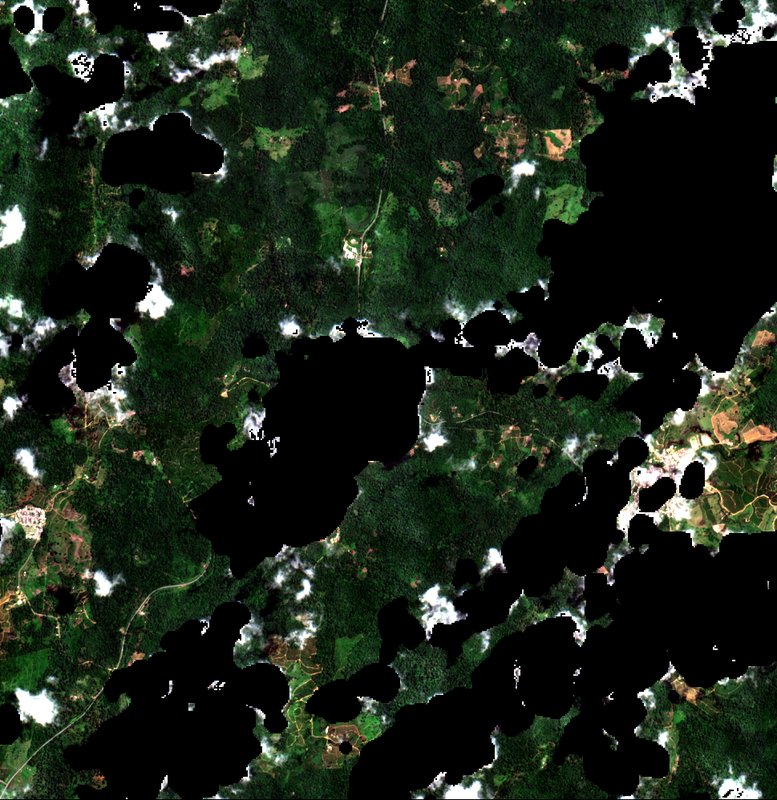
NDVI: 0.8
Clouds: 32.6%
NDVI: 0.78
Clouds: 25.9%